.svg) Custom production
Custom production






Cool in summer, warm in winter
Window decoration does much more than filter light or create privacy. The right system also helps make your home more comfortable in every season. In summer, you want to keep the heat out; in winter, you want to reduce heat loss through the window as much as possible.
But which window decoration actually insulates best? That depends on the system, the material, the fabric, the finish and how well the window decoration fits the window.
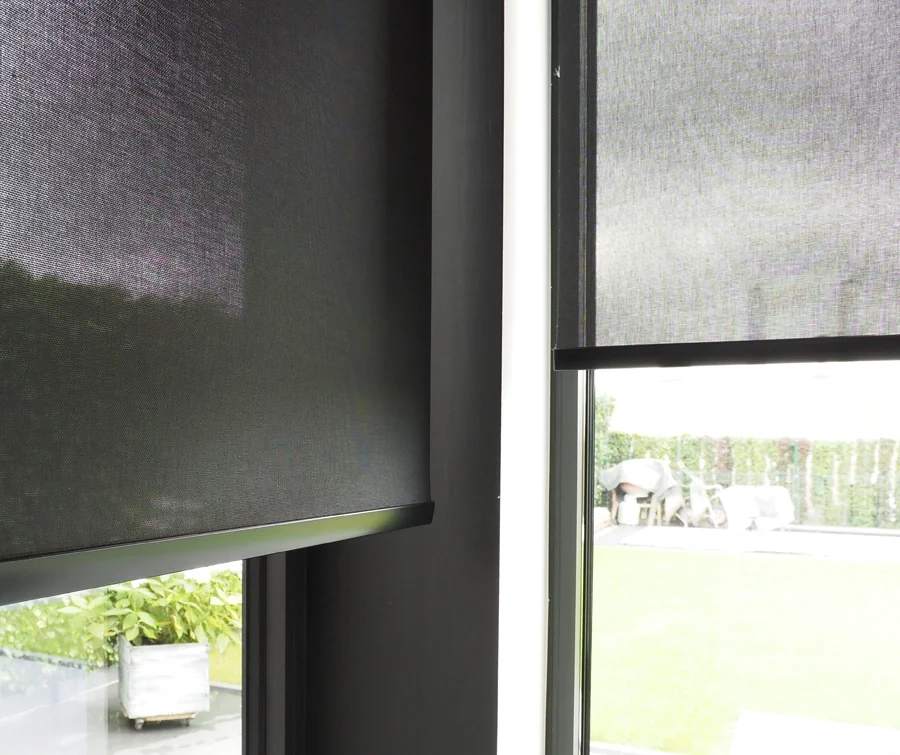
The insulating effect of window decoration depends not only on the system itself, but also on the material, the fabric, the coating, the structure and how well the whole product fits the window.
Why does window decoration have an insulating effect?
A significant amount of heat escapes through windows. This is especially noticeable with older windows or single glazing. Window decoration creates an extra layer between the glass and the room, which can help reduce heat loss and regulate solar heat more effectively in summer.
In general, the better a system creates an extra air layer or reflects heat, the stronger its insulating effect will be.
Structure
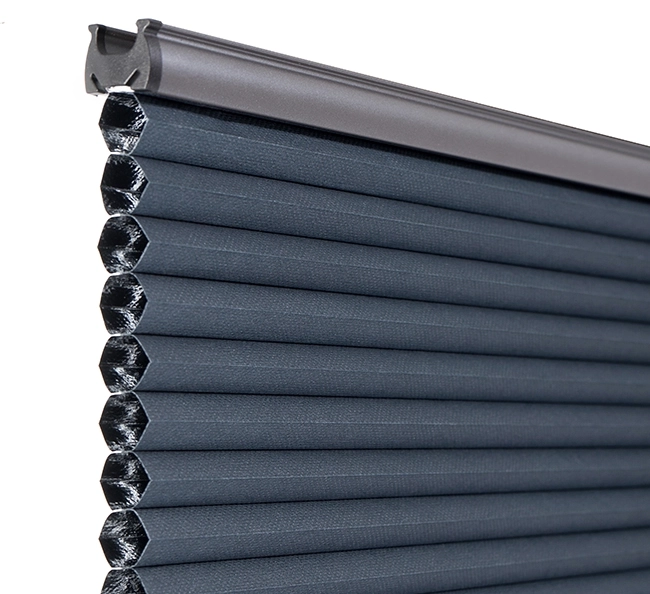
Systems with a honeycomb structure or an extra air layer usually provide better insulation.
Material or fabric
Natural materials and coated fabrics can offer better thermal performance.
Fit to the window
The better the system fits the window, the greater the insulating effect will usually be.
Which window decoration insulates best?
Not every system performs in the same way. Some types of window decoration are especially strong at limiting solar heat, while others also help keep warmth indoors more effectively in winter.
Roller blinds and vertical blinds: the fabric plays a major role
With roller blinds and vertical blinds, the chosen fabric is very important. In many cases, similar or even identical fabrics are used for both systems. As a result, the fabric properties can be very similar in terms of insulation.
Think of values such as:
- Light transmission: the lower this percentage, the less light passes through the fabric
- Light absorption: the higher this percentage, the more light and heat the fabric absorbs
- Light reflection: the higher this percentage, the more light and heat are reflected
You can also find these properties in the configurator when putting together the system, under the fabric or colour properties. This makes it easier to compare fabrics not only by colour, but also by performance.
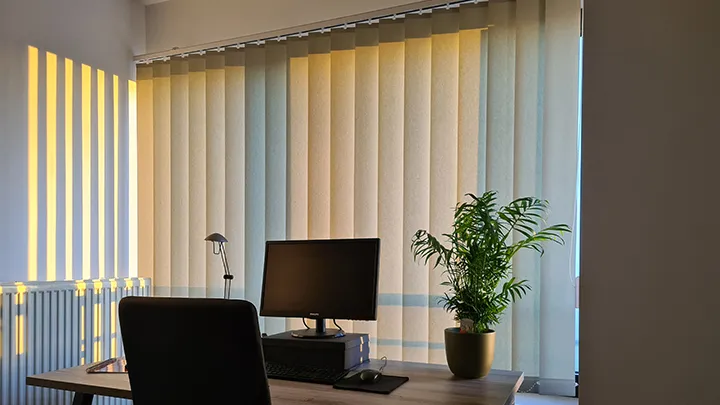
There is, however, a difference between the two systems. A roller blind, when closed, usually forms a more continuous surface in front of the window. Vertical blinds remain less closed because they consist of separate slats that must be able to tilt. Vertical blinds also usually hang slightly further away from the window. As a result, a roller blind using the same fabric will usually perform slightly better in terms of insulation than vertical blinds.
Roller blinds
They usually form a more closed surface in front of the window and therefore often insulate slightly better.
Vertical blinds
They can use similar fabrics, but are technically less closed and usually sit a little further away from the window.
Duo roller blinds: useful for light control, more limited in insulation
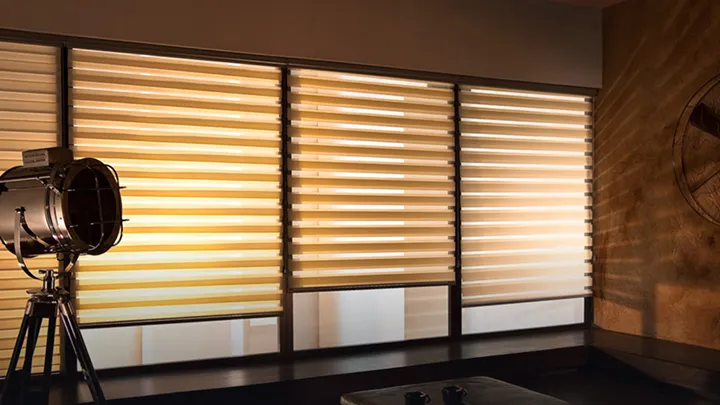
Duo roller blinds also have an insulating effect, but it is usually more limited than with double pleated blinds or blackout roller blinds. Thanks to the alternating transparent and opaque stripes, they can partly regulate light and heat, but the fabric itself is generally lighter and less closed than in other systems.
And what about aluminium and PVC blinds?
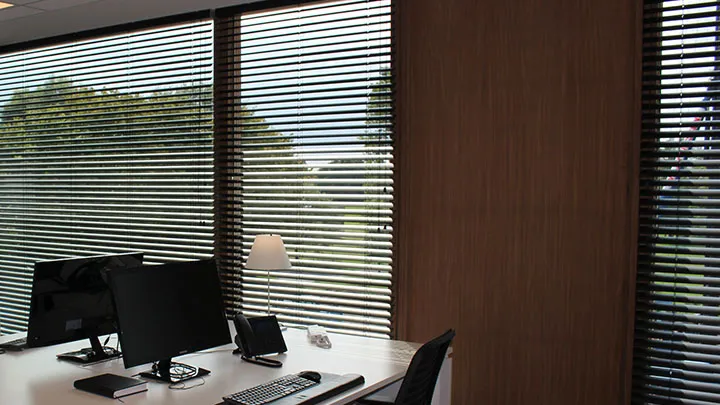
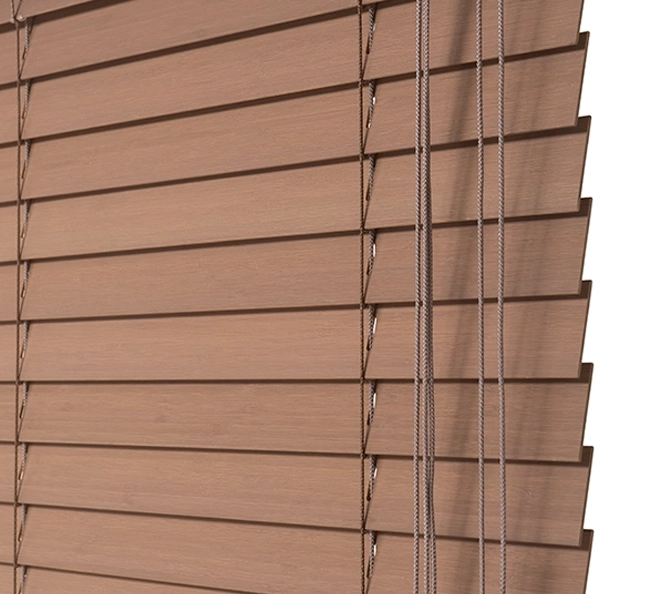
After wood and bamboo, PVC blinds and aluminium blinds come next within horizontal systems. These materials generally insulate slightly less well than natural materials, but they offer other advantages such as durability, easy maintenance and suitability for humid spaces.
What else should you look at for good insulation?
- make sure the window decoration fits the window as well as possible
- where possible, choose systems that create an extra air layer
- close the window decoration in the evening and at night to reduce heat loss
- choose fabrics with a coating when thermal protection matters
- do not place window decoration too close to the glass to avoid heat build-up or the risk of glass breakage
- when using the configurator, look not only at the colour but also at the technical fabric properties
In summary: which window decoration insulates best?
Conclusion: which window decoration insulates best?
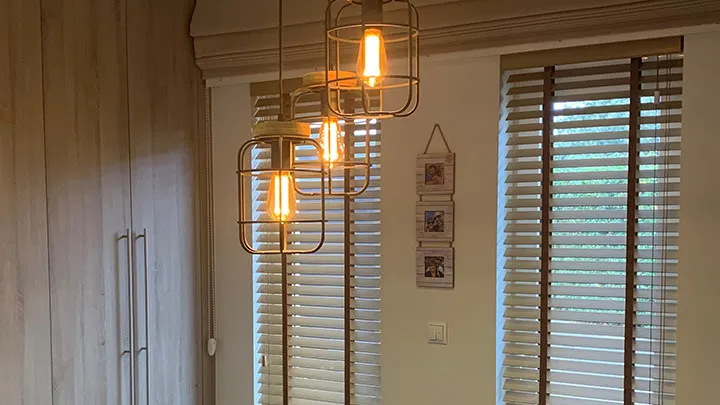
If maximum insulation is your goal, double pleated blinds are usually the best choice. Within horizontal systems, wooden and bamboo blinds offer the strongest insulating performance.
With fabric-based systems, coating, light transmission, light absorption, light reflection and the construction of the system all make a big difference. To compare properly, it is best to look not only at the visual appearance, but also at the technical fabric properties shown in the configurator.