.svg) Custom production
Custom production






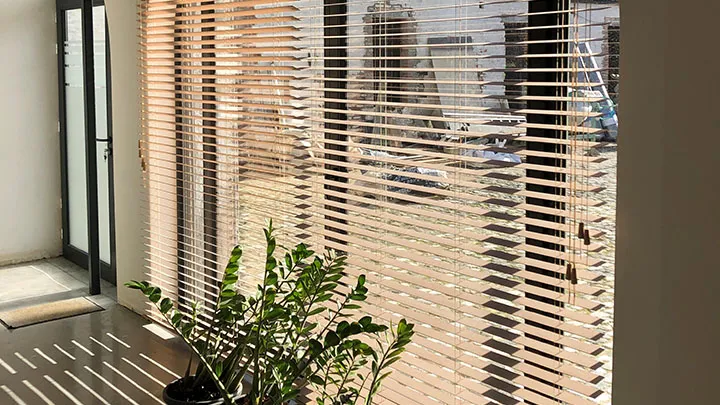
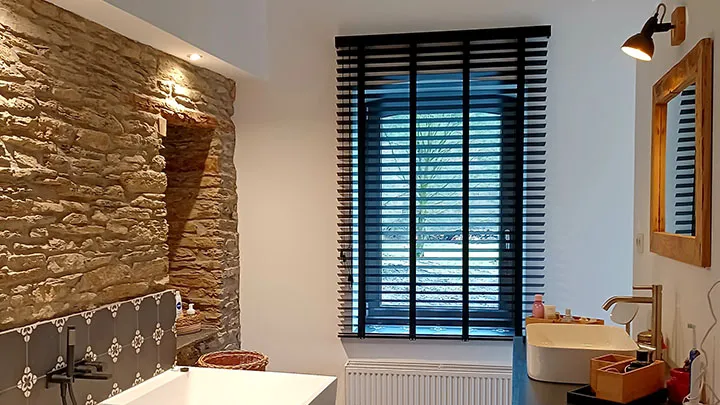

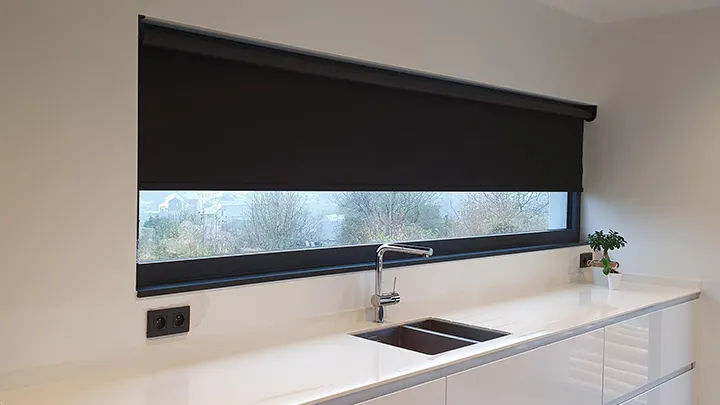

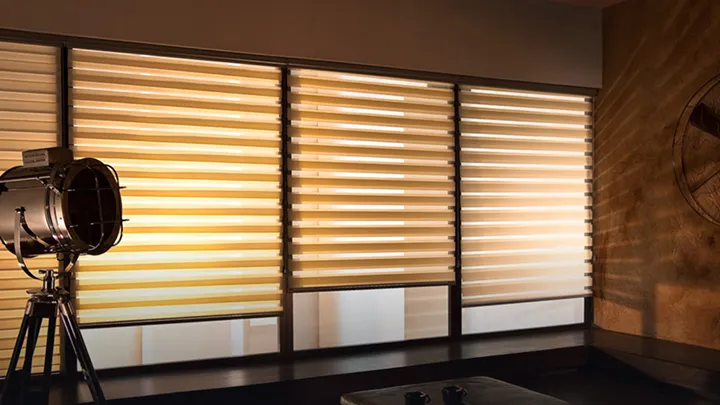
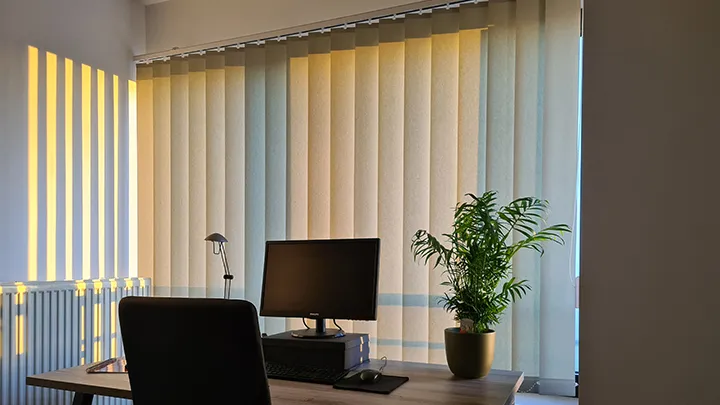
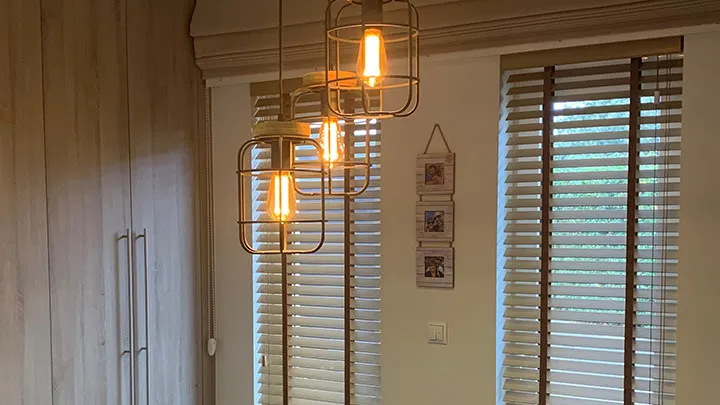
Which slat width should you choose?
With made-to-measure horizontal blinds, the slat width determines not only the appearance of your window decoration, but also the light control, privacy, operation and overall visual calm in your interior. Many people hesitate between 25 mm, 35 mm, 50 mm or 65 mm blinds.
In this guide, you will discover which slat width best suits small windows, medium-sized windows, large window sections and situations where many systems are installed next to each other.

The right slat width creates the right balance between appearance, light control, operation and proportion. Especially when there are several windows or different window types in one room, this choice makes a big difference.
Why is the slat width important?
The width of the slats influences several things at once:
- how calm or busy the overall look feels
- how the light is filtered between the slats
- how refined or robust the blind looks
- which type of operation is used
- how well the system suits small or large windows
- how visually balanced multiple systems next to each other will look
Narrower slats
Narrower slats create a finer line pattern, a more subtle effect and a slightly more technical look. They work especially well on smaller windows or when mounted directly on the window frame.
Wider slats
Wider slats create more visual calm, less clutter and a stronger overall appearance. They are ideal for larger windows and for projects with many systems placed side by side.
How does slat width affect light control and privacy?
Narrower slats have smaller gaps between them, which means the light is filtered more finely and the overall look appears slightly more subtle. Wider slats have more spacing and fewer slats are needed over the full height of the window. As a result, the system looks calmer and less busy when open.
This makes a big difference, especially on large windows or when many systems are installed next to each other. With wider slats, you avoid the overall effect becoming too heavy or looking like a wall of slats.
 25 mm is especially a strong choice for smaller windows and for systems that are mounted directly on the window frame. This slat width looks refined, light and subtle.
35 mm blinds: the true intermediate size
35 mm is a true intermediate size. This width is especially useful when other windows in the same room or house already use 50 mm blinds, but certain windows do not have enough space to fit 50 mm as well.
In that case, 35 mm is a more logical and visually consistent alternative than 25 mm. This keeps the overall look better coordinated.
From 35 mm onwards, both tilting and lifting are done with the operating cords, meaning the tilt cords and lift cords. That makes 35 mm technically and visually a much better match with 50 mm than 25 mm.
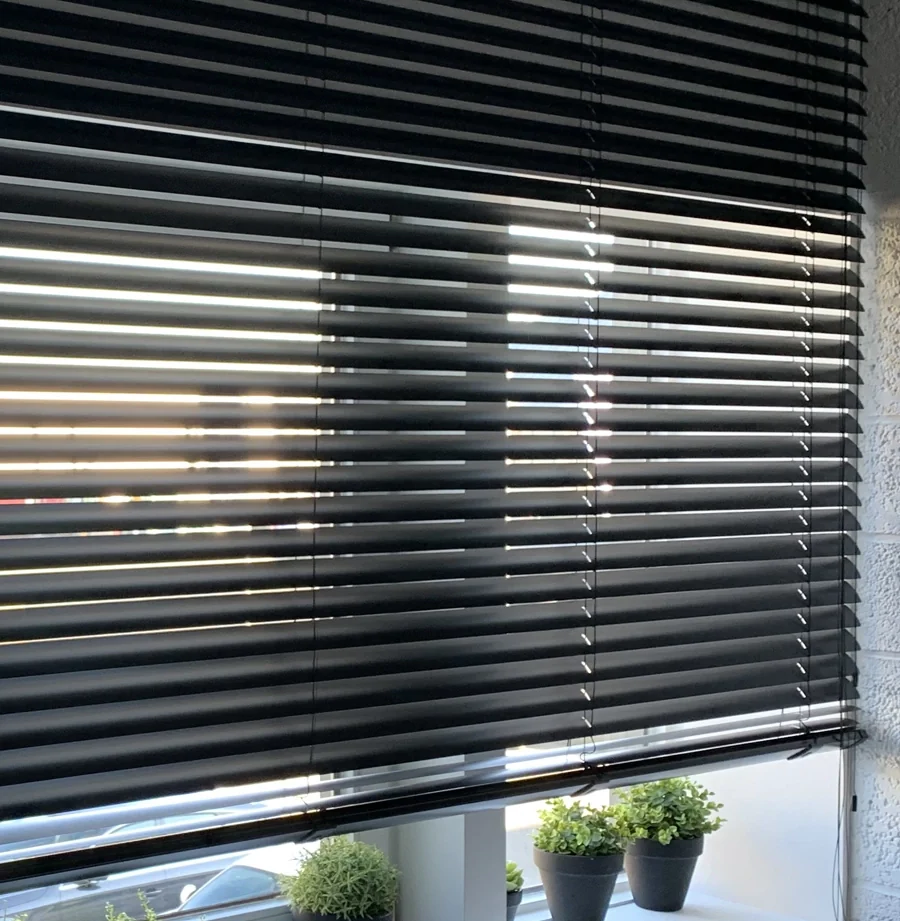 50 mm is the most commonly chosen slat width. This size offers a strong balance between appearance, visual calm, light control and proportion.
65 mm blinds: for wide window sections and many systems side by side
65 mm is especially interesting for large wide window sections and when many systems are installed side by side. In those situations, a smaller slat width can quickly start to look too busy.
With 65 mm slats, you create much more visual calm. This makes this width particularly suitable for larger overall window arrangements where the scale of the glass or the number of systems demands it. That way, you avoid the effect of a wall of slats.
Overview: which slat width should you choose and when?
Conclusion: which slat width should you choose?
The right slat width depends on more than just taste. You also need to look at the size of the window, the available space, the type of operation, the overall look in the room and the number of systems placed side by side.
- 25 mm for small windows and mounting on the window frame
- 35 mm as an intermediate size and alternative next to 50 mm
- 50 mm as the most popular and most versatile slat width
- 65 mm for wide window sections and larger arrangements where visual calm is important